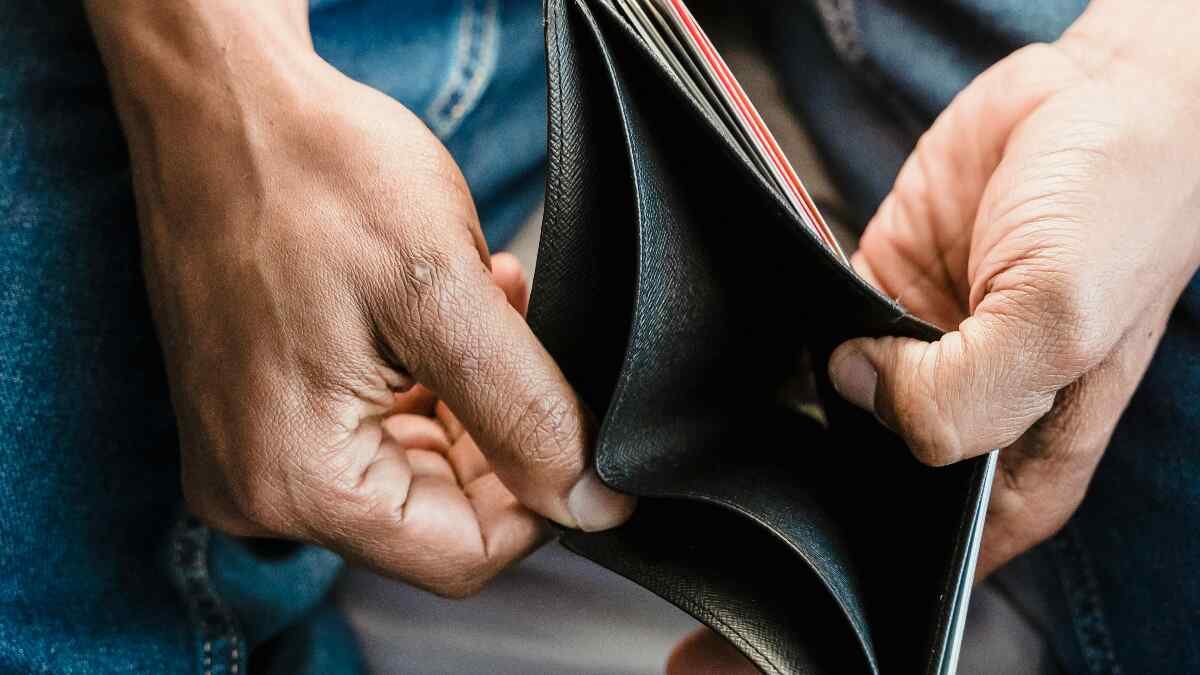
You work hard every single month. You pay your bills. You try to be responsible. And somehow, by the end of the month, the money is just gone.
No big purchases. No obvious disaster. Just gone.
Here is what is really happening. It is not one big mistake that keeps people broke. It is small, repeated habits that quietly drain the bank account every single day — what some people call death by a thousand cuts.
If 2026 is going to look different, it starts with an honest look at these 7 habits.
1. Treating Savings as an Afterthought
This is the mistake almost everyone makes. You get paid. You pay rent, bills, and groceries. Maybe you order pizza. Then you tell yourself, “I will save whatever is left.”
There is never anything left.
Flip the order completely. The moment money hits your account, move 10 percent to savings right away. Pay your future self before you pay anyone else. Set it up to happen automatically so you do not even have to think about it.
2. Buying Things to Impress People Who Do Not Actually Care
It is tempting to buy a new phone, a nicer car, or a branded outfit just to feel successful. But here is the truth most people never say out loud — people with real wealth rarely try to look rich. They are too busy staying free.
Real wealth is quiet. It looks like peace of mind and zero debt, not a closet full of things bought to impress people who forget about it the next day.
3. The “It Is Only $10” Subscription Trap
How many apps or streaming services are charging your card right now that you have not opened in months?
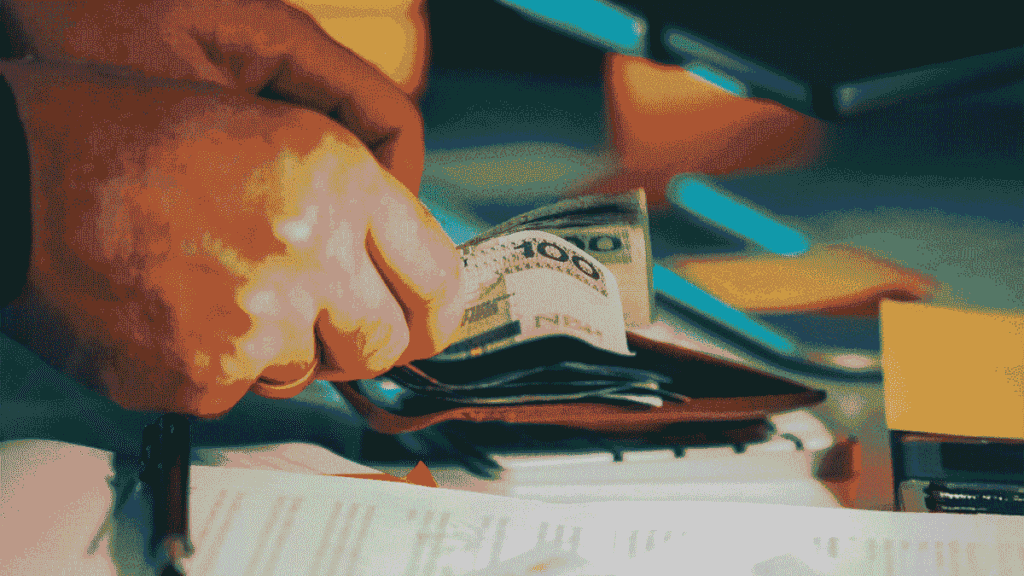
“It is only $10 a month,” feels harmless. But five of those add up to $400 a year — money that disappeared without a single moment of enjoyment.
Check your bank statement today. If you have not used something in the last 30 days, cancel it. You can always resubscribe later if you genuinely miss it.
4. Using Credit Cards to Pretend You Have Money
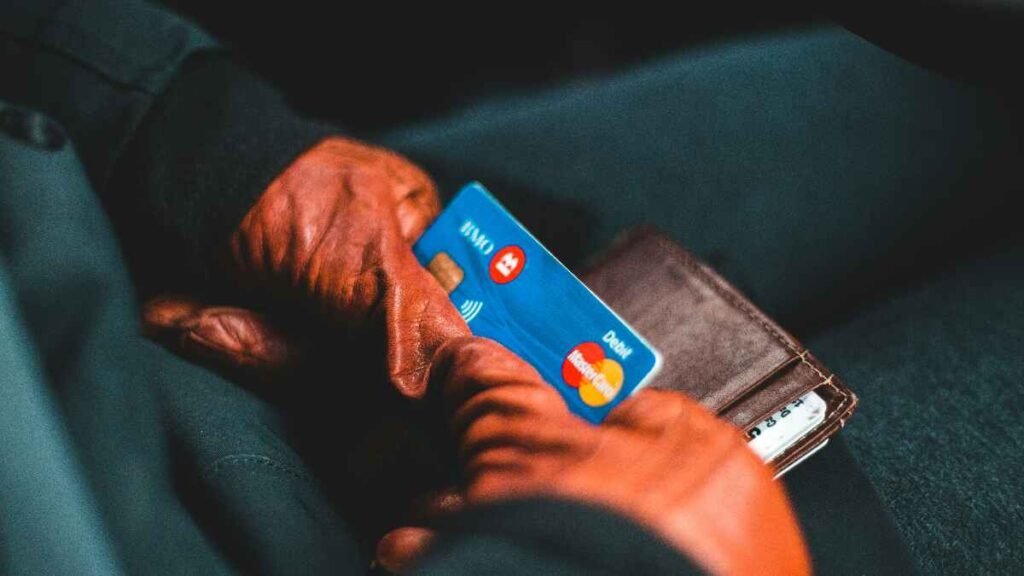
Here is the hard truth. If you have to swipe a credit card for shoes or dinner because the cash is not in your bank account, you cannot actually afford it right now.
Using credit for things you want — not need — is a trap. Interest means you end up paying far more than the original price. If credit card debt is already a problem, freeze the cards. Some people genuinely put them in a bowl of water in the freezer just to slow themselves down.
5. Emotional Spending as “Retail Therapy”
Stressful day at work? “I deserve a treat.” Bored on a Sunday night? The Amazon app opens before you even realize it.
Buying things gives a quick rush that fades in about 20 minutes. Then the guilt shows up right behind it. Find free ways to handle hard emotions instead. Go for a walk. Call a friend. Read a few pages of a book. Do not let a bad mood make spending decisions for you.
6. Waiting for “Someday” to Start Investing
“I will start when I earn more.” “I do not have thousands of dollars to invest.” This is fear talking, not logic.
While you wait for the perfect moment, inflation keeps eating away at the value of your cash. You do not need to be rich to start investing — investing is actually how people become rich in the first place.
Start small. Start scared if you have to. Even $50 a month into a simple index fund beats zero dollars sitting still.
7. Living Without a Safety Net
Living paycheck to paycheck is genuinely stressful. If your car breaks down tomorrow and costs $500 to fix, it instantly becomes a financial crisis that pushes you toward debt.
Before worrying about investing or anything else, build a small cushion first. Aim for $1,000 as fast as realistically possible. Once that cushion exists, explore ways to grow it further with simple passive income ideas.
You Do Not Have to Fix Everything Today
Do not be hard on yourself if you recognized a few of these habits. Almost everyone has at least two or three on this list — including me, Alex, the writer of this article.
The goal was never to be perfect overnight. Pick one habit. Just one. Work on it this week.
Small, consistent changes are what actually move the needle over time — not dramatic overnight transformations that burn out by day five.
If debt feels overwhelming right now, this guide on how to get out of debt with no money is a good next step.
Frequently Asked Questions
The most common one is saving whatever is left over instead of saving first. Most people pay rent, bills, and groceries, then tell themselves they will save what remains. There is rarely anything left. The fix is simple — move money to savings the moment you get paid, before spending on anything else.
Most people see real change within 30 days of focusing on just one habit at a time. Trying to fix all seven habits at once usually leads to burnout and giving up entirely. Pick one habit, work on it for a month, then move to the next.
Yes, if they go unaddressed. Small habits like emotional spending or forgotten subscriptions seem harmless individually, but they compound over years. A $10 subscription nobody remembers costs $1,200 over a decade. These small leaks are often the real reason people stay stuck despite working hard.
Being broke is a temporary lack of money. Bad money habits are patterns that recreate that situation even after income increases. Many people who earn more still feel broke because their habits never changed — they simply spend more at every income level.
Start with whichever habit is costing the most money right now. For most people, that is either unused subscriptions or emotional spending, since both can be tracked and stopped within a single week. Quick wins build the momentum needed to tackle bigger habits like building an emergency fund.