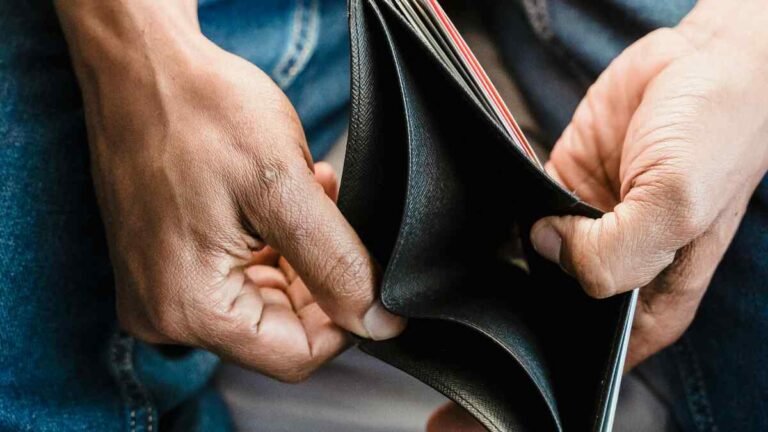

I still remember the night I realized I was drowning. It was 2 AM. I was staring at the ceiling, unable to sleep. My chest felt tight. I had just added up my total debt for the first time, and the number made me feel physically sick: $15,000.
To some people, that might not sound like much. But I was earning minimum wage, living in a tiny apartment, and I had exactly $42 in my checking account.
Every time my phone rang, I was terrified it was a debt collector. I searched “how to get out of debt,” and every article told me to invest in stocks or buy a rental property. I could not even afford groceries.
If you are reading this right now, feeling that same panic — take a breath. I have been exactly where you are. I am not a certified financial advisor. I am just someone who clawed out of a $15,000 hole while earning minimum wage with no extra money to spare. It took 18 months. I paid off every single cent.
Here is the exact plan I used.
1: Stop the Bleeding (The “Freeze” Method)
The first move is to stop making the hole deeper.
When I was in debt, I kept using my credit cards for what I called emergencies. Ordering pizza because I was tired was not an emergency. It was a habit that was quietly burying me.
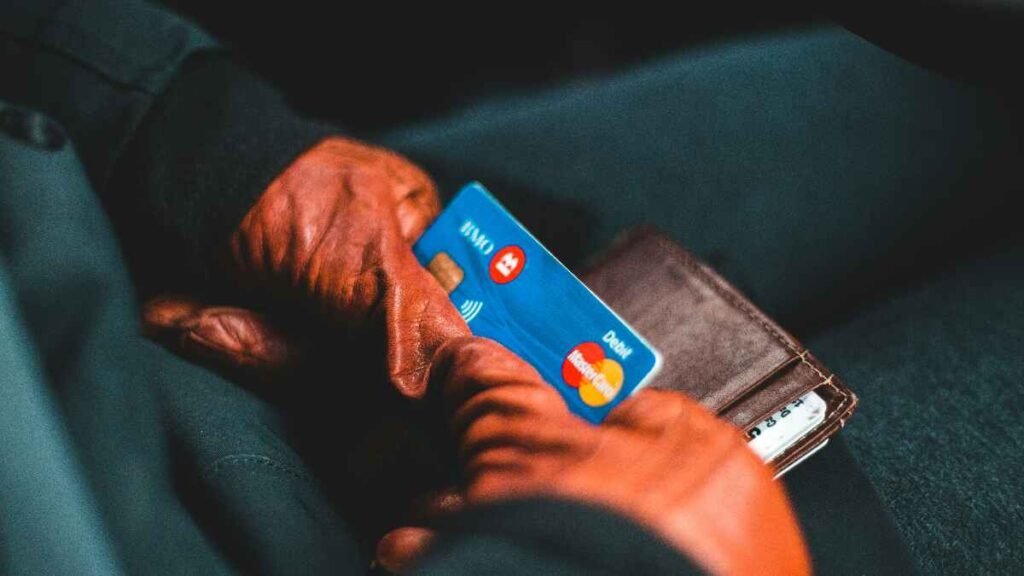
So I did something that sounds extreme but actually worked. I took a plastic cup, filled it with water, dropped my credit cards inside, and put the whole thing in the freezer.
Why? Because it forced a pause. If I wanted to buy something in the moment, I had to wait for the ice to melt first. By the time it did, I almost never wanted the thing anymore.
Here is what to do today:
- Remove credit cards from your wallet right now.
- Delete them from Apple Pay, Amazon, and any delivery apps.
- If spending requires effort, you will spend far less.
This one step stops the bleeding before anything else can work. If you also want to fix the habits that got you here, these toxic money habits are worth reading before you go any further.
2: Face the Numbers Write Everything Down
Most people stay in debt because they are too scared to look at the actual numbers. I was one of them. I used to throw bank statements in the trash without opening them.
But you cannot fight something you refuse to look at. One Saturday morning I sat down with a notebook and wrote down every single debt I owed.

- Visa Card: $4,200 at (22% interest)
- Student Loan: $8,500
- Personal Loan: $2,300
- Medical Bill: $500
Seeing it written out was painful. But it was also the first time I felt any real control over the situation. Now I knew exactly what I was dealing with.
3: The Snowball Method (How I Actually Paid It Off)
This is the part most articles get wrong.
Mathematically, you should pay off the highest interest debt first. That is the avalanche method and the numbers back it up.
But people are not calculators. When you are broke and stressed, you need wins more than you need optimal math.
I used the Snowball Method instead. I focused everything on my smallest debt — the $500 medical bill while making only minimum payments on everything else. I sold old clothes online. I ate instant noodles for two weeks. I walked to work to save bus fare. In three weeks, that $500 bill was completely gone.

The feeling was hard to describe. One debt at zero changed something in how I thought about the whole situation. I went from feeling hopeless to feeling like this was actually possible.
That momentum carried me directly into the next debt.
According to Investopedia, the snowball method works because the psychological wins keep people motivated long enough to actually finish — which is the part most debt payoff plans miss entirely.
4: The Phone Call Hack (Negotiate Your Interest Rates)
This step saved me over $1,000 and took five minutes.
I called my credit card company. My hands were actually shaking. Here is exactly what I said:
“Hi, I have been a customer for three years and I am working hard to pay off my balance. The 22% interest rate is making that very difficult. I received an offer from another bank at 15%. Can you match that rate, or should I look at transferring my balance?”
They lowered my rate to 16% immediately.
That one phone call saved me hundreds of dollars in interest over the following months. Most people never try this because they assume the answer will be no.
Sometimes it is no. That changes nothing — you are no worse off than before you called. But when it works, and it often does, the savings are real and immediate.
5: Find Hidden Money in Your Current Budget
Most people think they have no extra money. Usually they do — it is just disappearing on things they have stopped noticing.
I printed three months of bank statements and went through every single line with two highlighters:
- Green for essentials — rent, electricity, basic groceries.
- Red for everything else — subscriptions, eating out, impulse purchases.
What I found surprised me. I was paying $15 a month for a gym membership I had not used in almost a year. I had four streaming services running at the same time. Small purchases I barely remembered were showing up everywhere.

I cancelled everything that was not essential. I started cooking large batches on Sundays — rice, beans, eggs, simple food that kept costs low. I switched every brand-name product I bought to the store version.
Within one month I had found an extra $150 that was not there before. That $150 went directly to the debt. Every single time.
A bare bones budget helped me figure out exactly which expenses were truly necessary and which ones I had just stopped questioning.
6: Add Income You Need a Bigger Shovel
Cutting expenses has a ceiling. At some point you cannot cut any further and the only way forward is to bring in more money.
I needed extra cash with zero money to start anything. So I looked only at options that required no investment.
- Dog walking — I put up simple flyers in my neighborhood and had my first client within a week
- Selling things I no longer used — old gaming equipment, textbooks, clothes that no longer fit
Every dollar from these went directly to the credit card. None of it was fun money. Working weekends while exhausted from my main job was hard. But I kept reminding myself it was temporary.
If you want more ideas with zero startup cost, this guide on passive income ideas for beginners covers options that require nothing to start.
What Life Looked Like After the Debt Was Gone
The day I made my final payment I sat alone at my kitchen table and cried.
I logged into my account and saw: Balance Owing: $0.00.
I was not rich. My savings were still small. But something had shifted that I did not expect. The anxiety that had been sitting in my chest for 18 months was just gone. I slept differently. I answered my phone without dreading it. My relationships got easier because I was not carrying that constant weight anymore.
Getting out of debt did not just fix my bank account. It gave me back a version of myself I had forgotten existed.

Where to Start If You Are Reading This Tonight
If you are sitting there right now thinking this is impossible for your situation, I understand why it feels that way. I thought the same thing.
It is not impossible. It is just slow. And slow is fine.
Start with one thing tonight. Freeze the cards. Write down your debts. Make a $5 payment just to feel what it feels like to move forward. The plan is not complicated. The hard part is simply starting.
Frequently Asked Questions
Yes — the first steps do not require extra money at all. Freezing your credit cards stops new debt from being added. Writing down your debts gives you a clear target. Calling your credit card company costs nothing. Most people find hidden money in their existing budget before they ever need to earn more.
The debt snowball method means paying off your smallest debt first while making minimum payments on everything else. Once the smallest is gone, you roll that payment into the next one. It works because the quick wins keep you motivated long enough to actually finish — which is the part most people struggle with.
It depends on the total amount and how aggressively you cut spending. Most people following a real plan see meaningful progress within 3 to 6 months. Full payoff on a moderate debt load typically takes 12 to 24 months with consistent effort.
Build a small emergency cushion of $500 to $1,000 first. Without it, one unexpected expense sends you straight back to the credit card and undoes months of progress. Once that cushion exists, focus everything on paying down debt.
More often than most people expect. Credit card companies would rather lower your rate slightly than lose you entirely. The call takes five minutes. If they say no, nothing has changed. If they say yes, you save real money starting immediately.