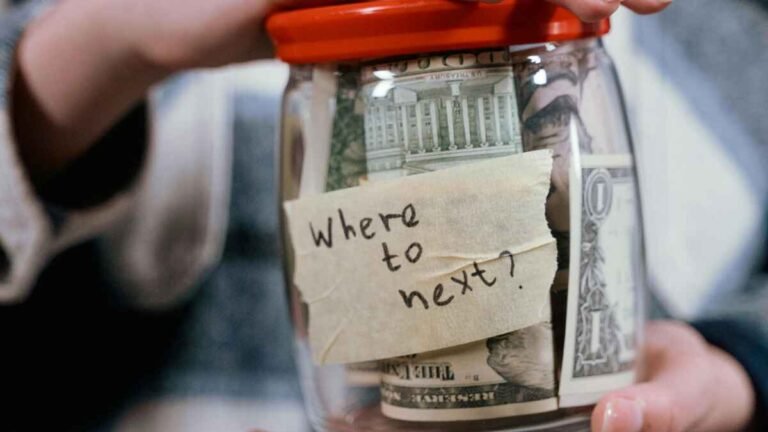

At the end of last January, I sat down and actually added up what I had spent over the previous 30 days. The number was embarrassing.
Coffee every morning on the way to work. Takeout three times a week because I was too tired to cook. Random Target runs where I went in for one thing and left with seven.
None of it felt like much in the moment. Together, it was costing me over $1,000 every single month — and I had almost nothing to show for it.
That is when I decided to try a no-spend month. I was nervous. I thought I would be miserable and bored. Instead, it was one of the best financial decisions I ever made.
In 30 days, I saved over $1,000, broke habits I had carried for years, and felt genuinely lighter by the end of it.
Here are the exact rules I used — and 7 tips to actually make it through without quitting on day 10.

What Exactly Is a No-Spend Month?
Before getting into the rules, there is one big myth worth clearing up.
A no-spend month does not mean spending zero dollars on everything. That would be impossible. You still pay rent, keep the lights on, and put gas in your car to get to work.
The goal is to cut out all discretionary spending for 30 days.
In plain English: you pay for what you need to survive, and you spend $0 on what you simply want.
Think of it as a reset button for your spending habits. It forces you to get creative, use what you already have, and actually notice where your money has been quietly disappearing.
Why Should You Do This Challenge?
Here is what most people get from a no-spend month:
- Fast savings: most people save $500 to $1,000 in a single month
- Habit reset: breaks the cycle of mindless buying
- Spending clarity: you see exactly where money was leaking
- Real confidence: you prove to yourself that you are in control
If debt is already stressing you out, this challenge is one of the fastest ways to get some breathing room. A solid bare-bones budget alongside this challenge makes the savings even bigger.
The Golden Rules of a No-Spend Month
For this challenge to work, you need clear boundaries. Here is exactly what counts as allowed and what is completely off limits for the next 30 days.

✅ Green Light — Allowed:
- Rent or mortgage and utilities
- Basic groceries for home cooking
- Transportation to work
- Medications and health needs
- Minimum debt payments
- Internet and phone bill
❌ Red Light — Banned:
- Eating out
- Shopping
- Entertainment
- Personal services
- Convenience store snacks
- Alcohol
If you are not sure which category something falls into, ask yourself one question: can I survive 30 days without this? If yes, it is banned.
For a deeper look at what is worth cutting permanently, check out these 10 things I stopped buying to save money — most of them started as no-spend month discoveries.
7 Tips to Survive Your No Spend Month Without Quitting
Starting is the easy part. Making it through day 10, day 15, and day 25 without giving up is where most people struggle. These 7 tips are what actually kept me on track.
1. Hide Your Credit Cards
Take your credit cards out of your wallet and put them in a drawer at home. Delete them from Amazon, Apple Pay, and any delivery apps.
When buying something requires physically getting up, finding your card, and typing in the numbers — you have time to ask yourself whether you actually need it. Most of the time, the answer is no. That small friction saves more money than most people expect.
2. Meal Prep on Sundays
Food is the number one reason people quit this challenge early.
The scenario plays out the same way for almost everyone. You get home at 6 PM, exhausted. The fridge is empty. The kids are hungry. You order pizza and the challenge is over before you realized it was in danger.
Meal prepping on Sunday fixes this. Cook a big batch of rice, beans, pasta, or chicken at the start of the week. When dinner is already made and sitting in the fridge, skipping the drive-thru is easy.

3. Unsubscribe From Store Emails
Marketing emails exist for one reason — to get you to spend money you were not planning to spend.
“Flash sale! 50% off! Tonight only!”
If you do not see the sale, you cannot be tempted by it. Go through your inbox right now and unsubscribe from every store, brand, and shopping site. This also fits perfectly with the underconsumption core mindset of removing buying triggers from your daily life.
4. Find Free Entertainment
A no-spend month does not mean sitting at home staring at the wall.
Free options that actually work:
- Go for a hike or walk in the park
- Visit a local museum on a free day
- Have a game night with games you already own
- Read the books sitting on your shelf that you never opened
- Host a potluck where everyone brings a dish
The goal is replacing paid entertainment with free entertainment — not eliminating fun entirely.

5. Use the 24-Hour Rule
When you feel a strong urge to buy something that is on the banned list, write it down and wait 24 hours.
Tell yourself: if I still want this tomorrow, I will think about it then.
Nine times out of ten, the urge disappears by the next morning. Impulse buying is emotional, not logical. Giving your brain time to cool down is all it takes to break the pattern.
6. Tell Your Friends and Family
Do not keep this challenge a secret.
Tell the people around you what you are doing and why. True friends will support you — some might even join you. If you stay quiet, you will keep getting invited to expensive dinners, and it will be awkward to say no every time.
Being upfront removes the social pressure entirely.

7. Track Your Progress Visually
Print a simple calendar and stick it somewhere you see every day.
Every day you spend $0 on wants, mark it with a red X or gold star. Watching that streak grow makes you genuinely not want to break it. You will think twice before ruining a 15-day streak for a $5 coffee.
What to Do With the Money You Save
By the end of the month you will have a real chunk of extra cash sitting in your account. This is actually the most important moment of the whole challenge.
Do not leave it sitting there. Give it a job immediately.
- No emergency fund yet — put it here first. Aim for $1,000.
- Have debt — throw it directly at the smallest balance.
- Debt-free — move it to a high-yield savings account.
If you want to grow that money further, these passive income ideas for beginners are a natural next step once the debt is handled.

It Is Not About Deprivation — It Is About Control
A no-spend month sounds restrictive from the outside. Living through one feels completely different.
By day 30, you realize something that is hard to explain until you experience it. You do not actually need most of what you were buying. The shopping was filling a feeling, not a need. And once that cycle breaks, it is hard to go back to the old way of doing things.
Breaking these patterns works even better when you are also working on the toxic money habits that created them in the first place.
The first few days will be the hardest. By day 30, you will feel proud, lighter, and genuinely richer.
What is the one thing you are going to struggle to give up most? Drop it in the comments — mine was the iced coffee, every single time.
Frequently Asked Questions
A no-spend month is a 30-day challenge where you eliminate all non-essential spending. You still pay rent, utilities, groceries, and transportation — but everything else is off limits. Most people save between $500 and $1,000 in a single month.
Most people save between $300 and $1,000, depending on their current habits. The biggest wins come from cutting daily coffee runs, takeout food, and forgotten subscriptions. Even $300 in one month is $1,200 if you repeat the challenge four times a year.
Essentials include rent, utilities, basic groceries for home cooking, transportation to work, medications, and minimum debt payments. Everything else — eating out, clothing, entertainment, and convenience purchases — goes on the banned list.
Start fresh the next day. One slip does not end the challenge. Write down what triggered it, learn from it, and keep going. Most people who finish a full month had at least one small slip along the way.
Once per quarter works well — January, April, July, and October. This gives three months of normal spending between each reset while still building four serious savings sprints into the year.