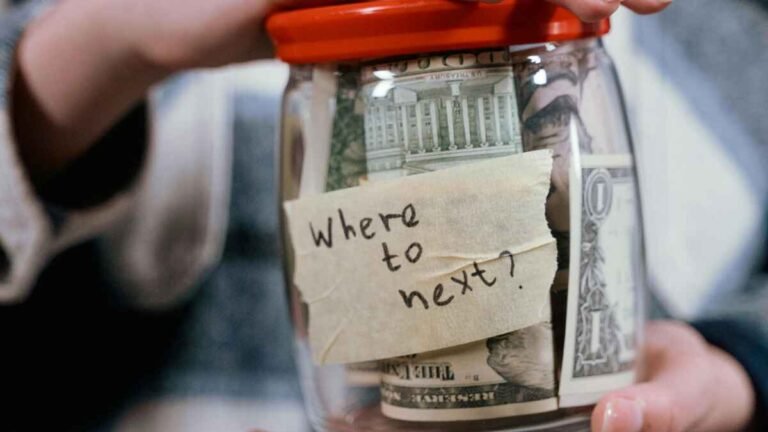

My grandmother never threw away a piece of aluminum foil.
She would wash it, dry it carefully, fold it back into a neat square, and put it right back in the drawer. To me as a kid, it seemed almost silly. Foil is so cheap — why bother?
But watching her do that taught me something it took years to fully understand. It was never about the foil. It was about a mindset so deep it had become second nature. A respect for resources that most of us lost somewhere along the way.
Our grandparents survived the Great Depression — the hardest economic period in American history — without credit cards, Amazon Prime, or DoorDash. They stretched every dollar until it had nothing left to give.
And here is the thing. The same strategies that got them through the 1930s work just as well in 2026. Eggs at $7 a dozen. Rent going up every year. Groceries that cost twice what they did three years ago.
These 7 Depression Era frugal tips could save you between $3,000 and $5,000 this year — starting with changes you can make this week.
Why Depression Era Tips Still Work in 2026
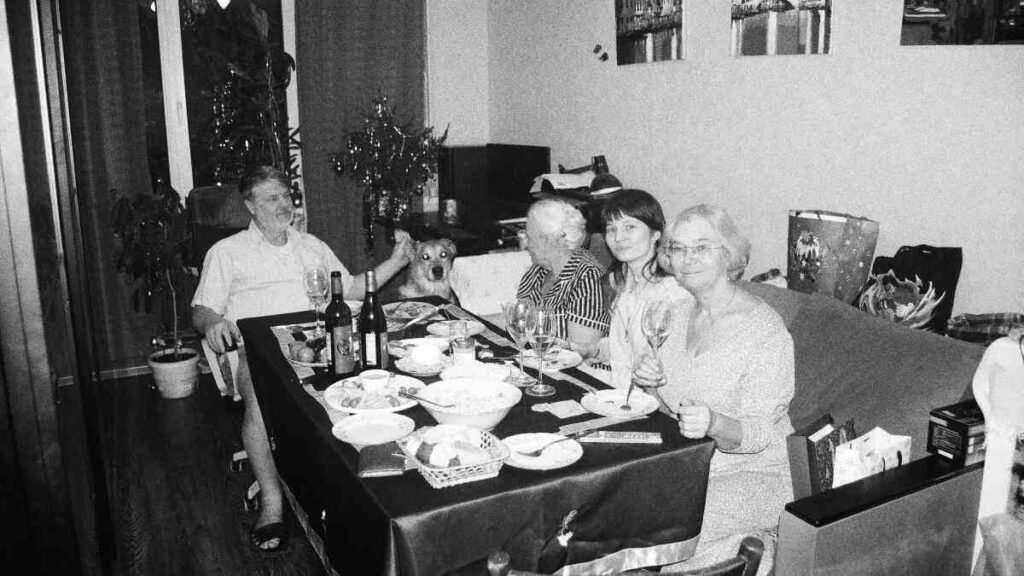
The economic pressures Americans face today — stagnant wages, rising housing costs, food inflation — create the same pressure our great-grandparents felt in the 1930s.
According to History.com, the Great Depression shifted American culture from consumption to conservation. People stopped buying things they did not need. They fixed what broke. They used what they had.
That shift is exactly what most American households need right now.
When you adopt Depression Era money habits, something changes in how you think. You stop being a passive consumer waiting for the next sale and start becoming someone who actually controls their money. The psychology shifts from “I need to buy more to feel good” to “Look how far I can stretch what I have.”
This also connects naturally with the underconsumption core movement growing across the US right now — the idea that using what you own is more satisfying than constantly buying something new.
1. Use It Up, Wear It Out, Make It Do, or Do Without
How Americans Lived in the 1930s
This was not just a slogan in Depression-era America — it was survival. Nothing was discarded until every last bit of value had been used. Toothpaste tubes were rolled completely flat. Soap slivers were pressed together to form new bars. Clothing was patched until the patches themselves needed patching.
What This Looks Like in 2026
Before heading to Target, look at what you already have. This is called the “shop your home” approach — and it saves serious money.
- The Pantry Challenge: Spend one week a month eating only what is already in your freezer and cabinets. You will be surprised at what you find.
- The Capsule Wardrobe: Wear your current clothes instead of buying new ones. If a shirt loses a button, sew it back on. If jeans fade, dye them darker.
- Empty the Bottle: Cut open lotion and conditioner bottles to get the last week’s worth of product. Small habit, real savings over a year.
This pairs perfectly with doing a no-spend month — both challenge you to use what you have before reaching for your wallet.
How Much You Can Save
By cutting impulse purchases and using what you already own: $200 to $400 per month.
Worth Knowing: Try the 30-Day Rule. Write down anything non-essential you want to buy. If you still want it 30 days later, consider it then. The urge passes almost every time.
2. Grow Your Own Food — Victory Gardens Are Back
Victory Gardens in Depression-Era America
During the Depression and into World War II, families across America turned backyards, empty lots, and rooftops into vegetable patches. It was an act of survival and, later, patriotism. Fresh produce, when store shelves were bare or unaffordable, meant the difference between eating and going hungry.
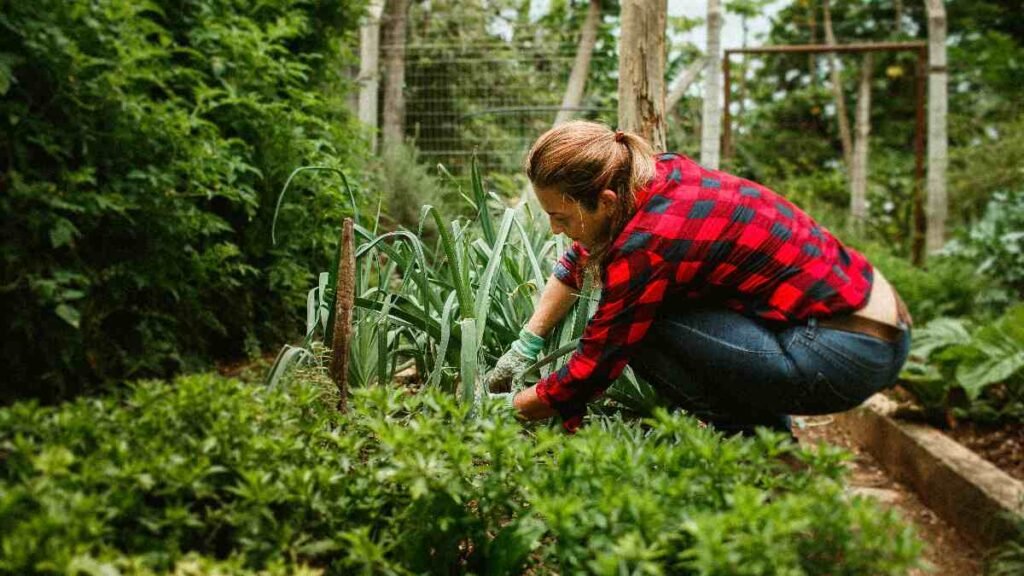
Your Modern Victory Garden
You do not need a farm. Even a small apartment in New York or Chicago has room for a container garden on a windowsill or balcony.
- Herbs: Fresh basil, cilantro, and rosemary cost $3 to $4 per bunch at the store. They grow easily on a sunny windowsill for almost nothing.
- Container Gardening: Tomatoes, peppers, and lettuce grow well in pots on a balcony or porch.
- Community Gardens: If you lack outdoor space, look for a local community garden. Most charge a small annual fee and give you a plot to grow your own produce.
The USDA notes that a maintained home garden can save hundreds of dollars in groceries per season.
Monthly Savings
By growing expensive herbs and greens at home: $100 to $200 per month.
Quick Win: Regrow kitchen scraps. Green onions, celery, and lettuce can often be regrown by placing the root end in a glass of water on your windowsill.
3. Creative Reuse — Making Do With What You Have
1930s Creativity From Necessity
When resources were scarce, creativity had no choice but to flourish. Flour sacks were washed and sewn into dresses and pillowcases. Old tires became shoe soles. Glass jars became drinking glasses, storage containers, and vases. The idea of throwing something away after using it once simply did not exist.
Upcycling in 2026
We call it upcycling now, but it is the same principle. Before buying anything new, ask yourself one question: can I repurpose something I already own?
- Furniture: A scuffed dresser is not trash. A $10 can of paint and new hardware can make it look like something from a boutique furniture store.
- Cleaning Rags: Cut up old, stained t-shirts instead of buying paper towels. They clean better, cost nothing, and get washed and reused indefinitely.
- Storage: Use shoe boxes, glass jars, and cardboard boxes to organize drawers and shelves before spending money on plastic organizers.
What This Saves You
By avoiding unnecessary household purchases and decor: $150 to $300 per month.
Try This: Learn one basic DIY skill this month. Being able to unclog a drain, paint a wall, or fix a leaky faucet yourself saves hundreds on service calls every year.
4. Cook Everything From Scratch
How Depression-Era Families Ate
Convenience food was a luxury nobody could afford in the 1930s. Meals were built around cheap, shelf-stable staples — dried beans, potatoes, flour, and oats. Meat was used as a flavoring rather than the main event. Sunday’s pot roast became Monday’s sandwiches and Tuesday’s soup. Nothing was wasted.
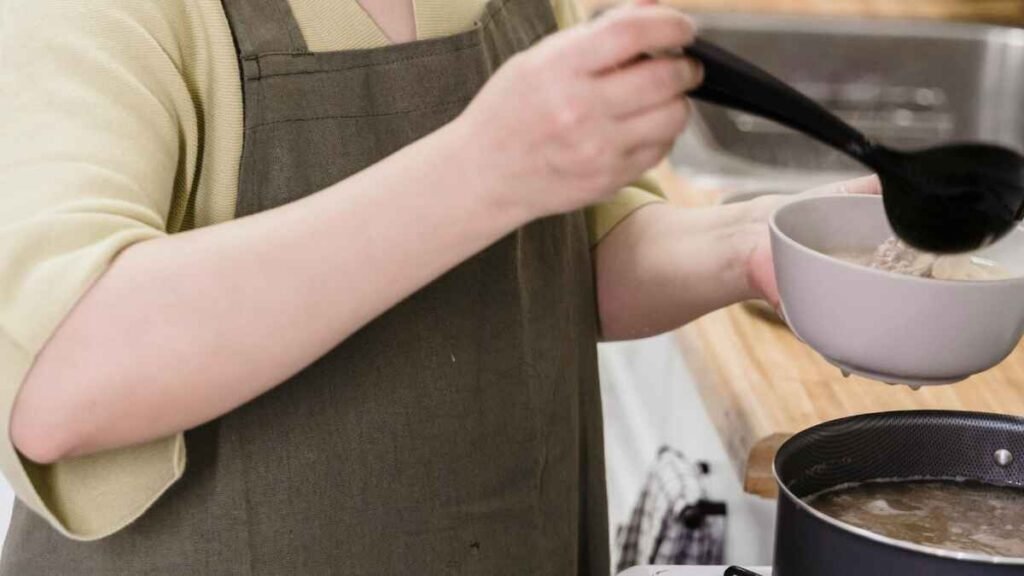
Returning to the Kitchen in 2026
Americans pay a massive convenience tax every time they buy pre-chopped vegetables, microwave meals, or takeout. Cooking from scratch eliminates that tax completely.
- Batch Cooking: Spend a couple of hours on Sunday making a big pot of chili, soup, or casserole. Freeze portions for quick meals during the week — your own “fast food” that costs almost nothing.
- Stretch Your Protein: Add lentils, oats, or beans to ground beef dishes like tacos or pasta sauce to double the volume for half the cost.
- Bake at Home: Bread, muffins, and cookies cost pennies to make at home compared to bakery or grocery store prices.
Monthly Savings
By replacing takeout and processed meals with home cooking: $300 to $500 per month.
Heads Up: A slow cooker is one of the best investments for this lifestyle. It lets you buy the cheapest cuts of meat and turn them into tender, flavorful meals while you are at work.
5. Waste Nothing – Use Every Last Bit
Food Waste Was Unthinkable in the 1930s
Stale bread became bread pudding or homemade croutons. Sour milk went into pancake batter. Bacon grease was saved in a tin on the stove and used for cooking for weeks. The idea of throwing perfectly usable food in the trash would have been shocking to anyone who lived through the Depression.
Stopping the Leak in 2026
The average American household throws away nearly 30 percent of the food it buys. That is money paid for groceries that goes straight into the trash.
- The Must-Go Meal: One night a week, dinner is made entirely from leftovers or vegetables that are about to go bad. It forces creativity and stops waste.
- Veggie Scrap Stock: Keep a bag in the freezer. Add onion skins, carrot tops, and celery ends as you cook. When the bag is full, boil it all with water for free vegetable broth.
- Label Your Freezer: Everything that goes in gets a date. If leftovers are not eaten within two days, they get frozen immediately for a future meal.
According to NerdWallet, cutting food waste is one of the fastest ways to reduce monthly expenses without changing your lifestyle in any major way.
Monthly Savings
By actually eating what you buy: $100 to $150 per month.
Real Talk: Use the first-in, first-out method in your fridge. New groceries go behind older ones, so you always use the older items before they spoil.
6. Mend, Repair, and Make Things Last
The Repair Culture of the 1930s
If a toaster broke, you fixed it. If a sock had a hole, you darned it. Shoes were resoled multiple times at the local cobbler before being replaced. There was a real pride in maintaining your possessions, and discarding something because of a minor defect was simply not done.
The Right to Repair in 2026
The “Right to Repair” movement is bringing this mindset back to America, and it saves serious money.
- YouTube Is Your Repair Manual: Before replacing any appliance, search the model number plus the word “repair” on YouTube. Most fixes involve a $5 part and 20 minutes of time.
- Shoe Care: Polish leather shoes and waterproof boots regularly. Proper care means they last years instead of one season.
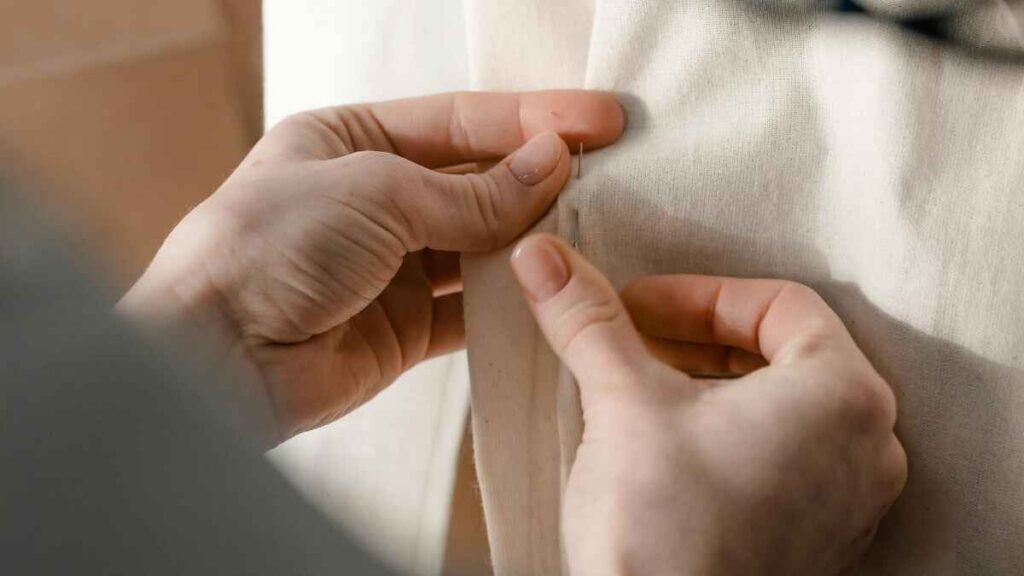
- Basic Sewing: Learning to sew on a button or hem a pair of pants takes 10 minutes to learn and saves you from donating clothes that are otherwise perfect.
According to The Balance, extending the life of your appliances and wardrobe is a key part of building long-term financial stability.
Monthly Savings (Averaged)
By avoiding replacements through regular maintenance and repair: $200 to $400 per month.
Good to Know: Search for “Repair Cafes” in your city. These are community events where volunteers help you fix broken electronics, clothing, and furniture for free.
7. Community Sharing and Bartering
When Community Was Currency
When cash was scarce in the 1930s, the community filled the gap. Neighbors helped neighbors. Families with chickens traded eggs for milk from families with cows. Tools were shared. Skills were bartered. It was not transactional — it was relational. People understood that getting through hard times together was easier than trying to do it alone.
Building That Back in 2026
Americans have become isolated in ways that cost money. Most people buy things they use once — a power drill for one project, a punch bowl for one party — and then never touch again.
- Buy Nothing Groups: Search for your local Buy Nothing group on Facebook. Neighbors give away things they no longer need. People ask for things they need temporarily. It is a completely free local exchange.
- Tool Libraries: Many cities now have tool-lending libraries where you can borrow drills, saws, camping gear, and kitchen appliances for free.
- Skill Swapping: Can you design a website? Maybe a friend or neighbor can fix your car. Trading skills instead of paying cash benefits both people.
Monthly Savings
By borrowing and trading instead of buying: $150 to $250 per month.
Save This: Organize a swap party with friends for clothes, books, or kitchen items. Everyone brings things they no longer use. Everyone goes home with something new — for free.
The Mindset Behind All of This
These 7 Depression Era frugal tips are not just tactics. They point to a way of thinking that has been almost completely lost in modern American consumer culture.
Our grandparents understood something most people have forgotten: you do not need to own more things to live better. You need to waste less of what you already have.
They found real satisfaction in simple things. Playing cards with neighbors. Walking in the park. Reading library books. Growing tomatoes on the back porch. None of it cost money. All of it built a life that felt full.
When you start applying these habits, something shifts. You realize you need less than you thought to feel comfortable. The stress that comes from overspending starts to lift. You feel more in control of your money because you actually are.
Breaking the toxic money habits that keep most Americans stuck in a cycle of overspending makes these Depression Era habits even more powerful when combined.
How to Start Without Feeling Overwhelmed
Taking on all seven of these at once is too much. Pick one.
Just one.
Start by cooking one extra meal at home this week instead of ordering takeout. Maybe you check your freezer before grocery shopping. Maybe you look up a YouTube repair video before throwing something away.
Make it a game. Every dollar you save by cooking at home or skipping a replacement purchase goes directly into a savings account. Watching that number climb is genuinely satisfying in a way that buying something new never quite is.
You can also pair these habits with modern money strategies. The Loud Budgeting guide on this site gives you the exact words to say when friends invite you to expensive outings — combining the social side of money with the household wisdom of the 1930s.
Technology makes all of this easier, not harder. Use apps to compare grocery prices. Set alerts on eBay for second-hand versions of things you need. Find community gardens and Buy Nothing groups on Facebook. You have access to tools our grandparents never had — and their entire playbook too.
What These 7 Tips Save You
Here is the full picture:
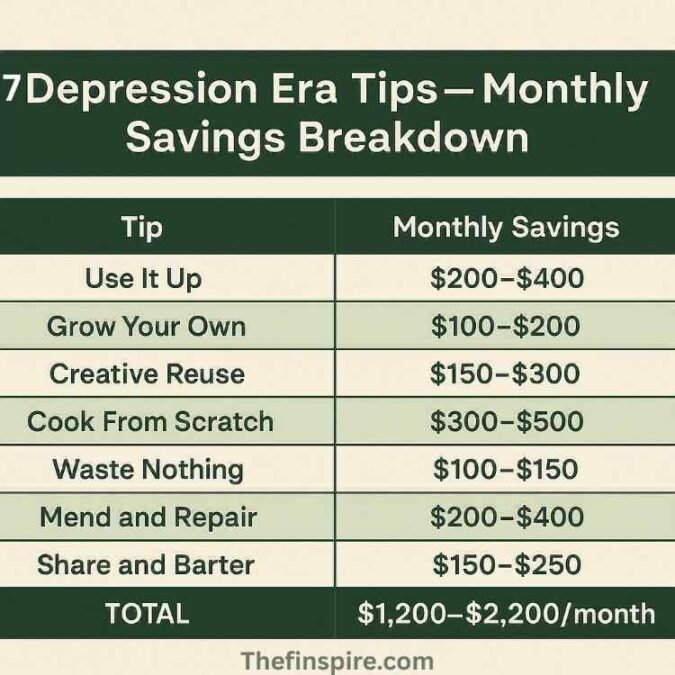
That is $14,400 to $26,400 every single year.
Imagine what you could do with that money. Pay off debt. Build an emergency fund. Save for a down payment. Actually get ahead for the first time in years.
A bare-bones budget helps you figure out exactly where that extra money should go first.
The Bottom Line
Our grandparents proved that a rich life is not defined by how much you spend. It is defined by how wisely you live.
Start this week. Pick one tip. Bake a loaf of bread. Fix the broken shelf. Invite friends over for a potluck instead of a restaurant dinner.
The past has a lot to teach us. All we have to do is listen.
Which tip are you starting with this week? Drop it in the comments below.
Frequently Asked Questions (FAQ)
Not at all. You don’t need to reuse bathwater or make your own soap to apply these ideas. The core principles — wasting less, repairing more, and using what you have — are completely practical in 2026. Pick the tips that fit your lifestyle and ignore the rest.
Container gardening works on balconies, patios, and even windowsills. Tomatoes, peppers, herbs, and salad greens all grow well in pots. If you have no outdoor space at all, a grow light on a kitchen counter handles herbs year-round.
Yes. The price difference is significant. A single serving of restaurant pasta in most American cities costs around $18. Making the same meal at home costs roughly $2. Over a full month of replacing takeout with home cooking, the savings reach into the hundreds.
YouTube has tutorials for almost everything. Search the item name plus the word “repair” and you will almost always find a step-by- step video. For electronics, the iFixit website provides detailed guides and sells the specific parts you need.
Tie it to a goal they care about. A family vacation. A new piece of furniture. A holiday fund. When the savings go toward something everyone wants, the habits feel purposeful rather than restrictive. Involving kids in gardening or baking also makes the whole thing feel like an activity rather than a rule.